The basics
Keto = very few carbohydrates, lots of fat and moderate protein.
- Carbohydrates: about 5–10% of your energy intake (often <20–30 g a day).
- Protein: about 20–25%.
- Fat: about 70–75%.
When the carbohydrates disappear, blood sugar drops and the body goes into ketosis. The liver then starts turning fat into ketones, which become fuel for the brain and muscles instead of glucose.
What you eat
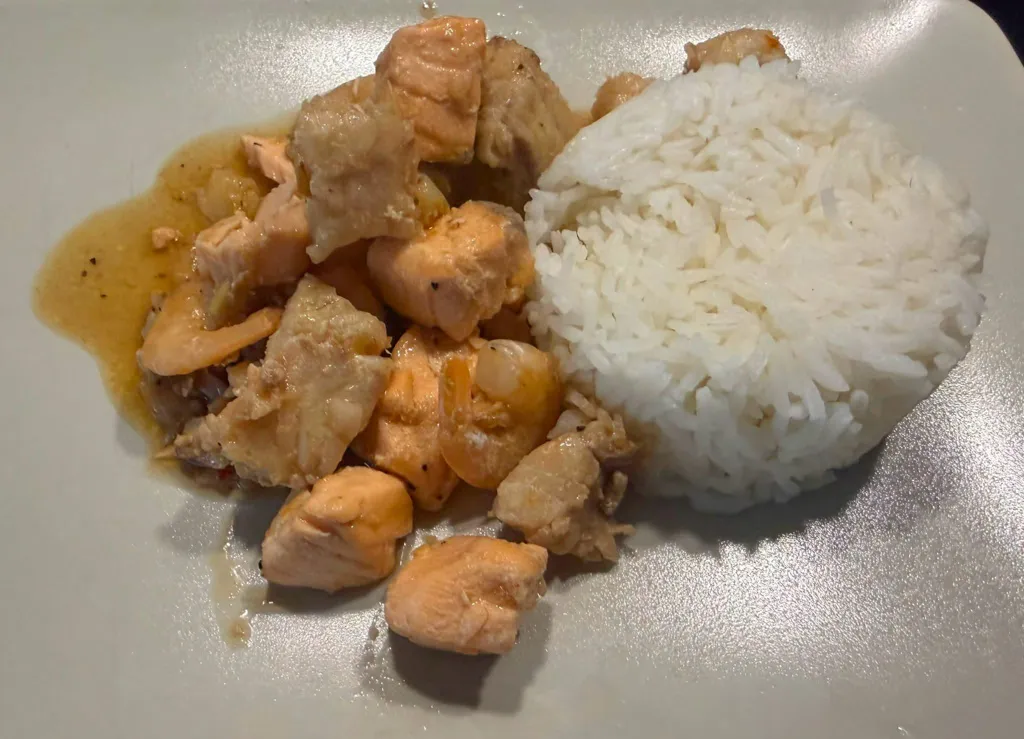
- Allowed: meat, fish, eggs, butter, olive oil, avocado, cheese, nuts (in small amounts) and vegetables that grow above ground (broccoli, cauliflower, spinach).
- Avoided: bread, pasta, rice, potatoes, sugar, sweets, fruit (except small amounts of berries) and beer.
Effects
- Weight loss – many lose weight quickly at first, from water and then fat.
- Stable blood sugar – good for insulin resistance and type 2 diabetes.
- Less hunger – fat is very filling.
- Mental clarity – some people experience more even energy.
Downsides and risks
- The “keto flu” at the start: tiredness, headaches and dizziness while the body adjusts.
- Hard to stick to in the long run – many miss fruit, bread, beer and so on.
- Risk of too little fibre and certain vitamins and minerals if you're not careful.
- Can strain the kidneys or liver in some people who eat too much protein and poor-quality fat.
A common mistake
People think keto is a “meat feast” – but the key is fat, not protein. Too much protein can stop ketosis.
In short: keto works, but it's a strict diet. It takes planning to make it nutritionally sustainable.