Iron and zinc are needed in tiny amounts, just a few milligrams a day. Yet they are involved in almost everything that matters when you train: getting oxygen to the muscles, turning food into energy, repairing tissue and keeping the immune system on guard.
Both are found in the same kind of food, both are absorbed better or worse depending on what you eat them with, and both can do harm if you take too much. That is why they belong in the same article.
Iron – the oxygen carrier
Most of the iron in the body sits in haemoglobin, the protein in red blood cells that carries oxygen from the lungs out to the muscles. Iron is also found in myoglobin, which stores oxygen inside the muscle, and in the enzymes that make energy in the cells.
When iron runs low, the body first empties its stores. That is measured as ferritin in a blood test. Only later does haemoglobin drop and you get anaemia. But many people notice it already at the first stage:
- tiredness that does not go away with sleep
- heavier legs and shortness of breath when you train
- poorer endurance and slower recovery
- pale skin, headaches, cold hands and feet
- hair loss and brittle nails
Who runs low?
- Women who menstruate – the largest group by far. Heavy periods can empty the stores over time.
- Endurance athletes – runners in particular. Iron is lost through sweat and the gut, and each hard session raises a hormone called hepcidin that blocks iron uptake for a few hours afterwards.
- Vegetarians and vegans – iron from plants is absorbed much less well than iron from meat and fish.
- Blood donors and people who have had surgery or bleeding.
Zinc – the repair worker
Zinc is part of more than 300 enzymes in the body. It is needed for:
- The immune system – white blood cells need zinc to work properly.
- Healing and recovery – building new tissue, including muscle, after training.
- Protein building and cell division.
- Taste and smell – a poorer sense of taste can be a sign of low zinc.
- Hormones – including testosterone and insulin.
Real zinc deficiency is uncommon in Sweden, but intake can be on the low side if you eat little meat and dairy, eat very little overall, or are older. Signs include frequent colds, wounds that heal slowly, poor appetite and a dulled sense of taste.
How much do you need?
The Nordic Nutrition Recommendations 2023 give roughly these amounts per day for adults:
| Iron | Zinc | |
|---|---|---|
| Women who menstruate | about 15 mg | about 7–11 mg |
| Women after menopause | about 9–11 mg | about 7–11 mg |
| Men | about 9–11 mg | about 9–14 mg |
The zinc range depends on how much phytate you eat, a substance in whole grains, beans and seeds that binds minerals. The more of that you eat, the more zinc you need. Vegetarians may need up to almost twice as much iron as meat eaters for the same reason.
Where to find them
Iron from meat, fish and poultry (haem iron) is absorbed about two to five times better than iron from plants (non-haem iron). Zinc is also absorbed best from animal foods. Approximate amounts:
- Beef, 150 g cooked: about 4 mg iron and 9 mg zinc. One of the best sources of both.
- Blood pudding and liver: very rich in iron. Liver is also very rich in vitamin A, so once a week is plenty, and pregnant women should avoid it.
- Mussels and oysters: oysters top the zinc list by a wide margin, mussels are rich in iron.
- Pork, lamb and game: good amounts of both.
- Lentils and beans, 200 g cooked: about 5–6 mg iron and 2–3 mg zinc.
- Pumpkin seeds, 30 g: about 2.5 mg iron and 2 mg zinc. Perfect on porridge or salad.
- Oats, 1 dl rolled oats: about 1.5 mg iron and 1 mg zinc.
- Cheese and eggs: little iron, but a useful amount of zinc.
- Spinach – famous for its iron, but most of it is bound and hard for the body to use. Good food, poor iron source.
Small tricks that make a big difference
- Add vitamin C. Peppers, broccoli, citrus fruit, kiwi or a glass of orange juice with the meal can increase plant iron uptake several times over.
- Combine meat and plants. A little meat or fish in a lentil stew helps the body take up the iron from the lentils too.
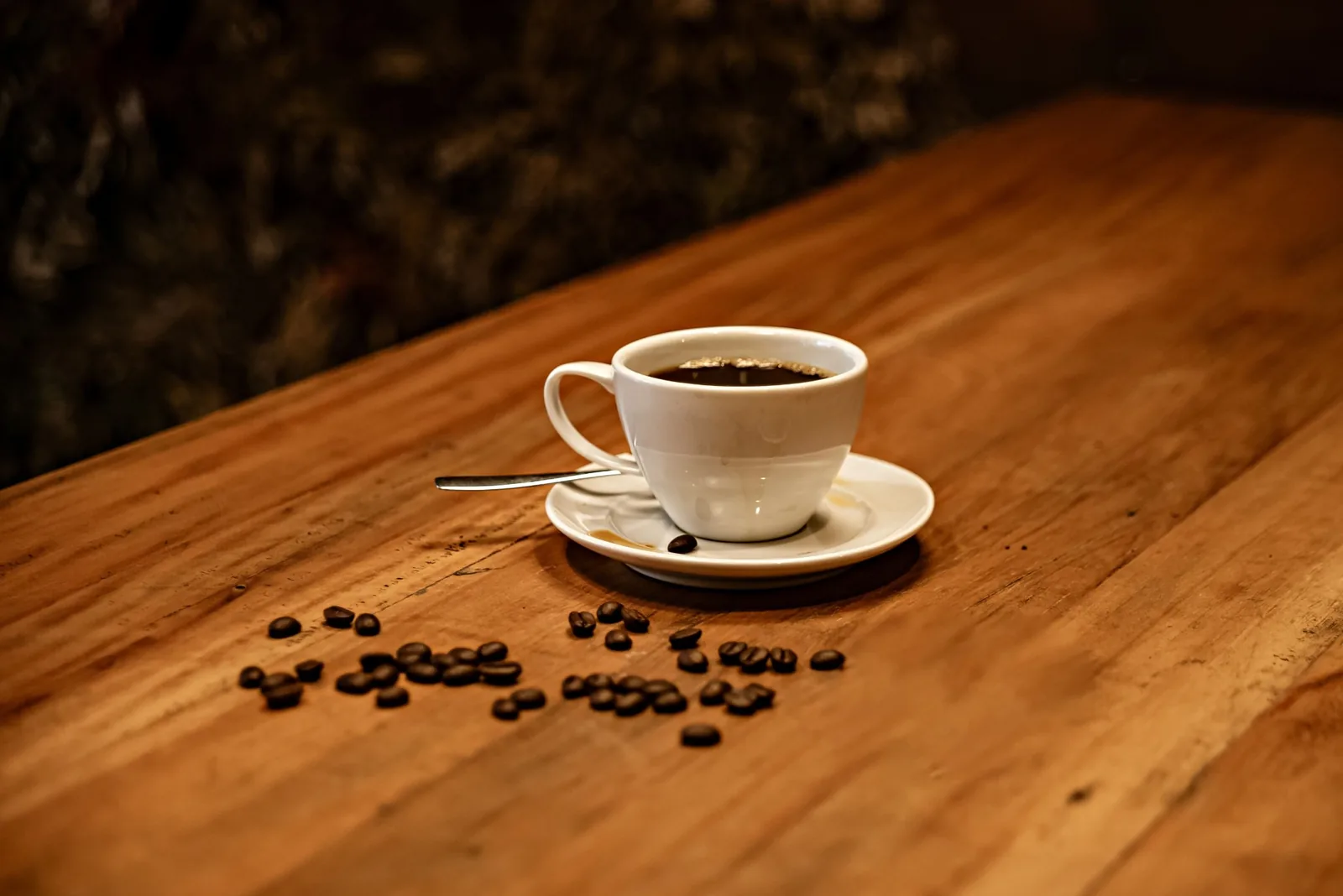
- Coffee and tea between meals, not with them. Polyphenols in coffee and tea can cut iron uptake from a meal by half. Drink your cup an hour before or after. More about coffee in Caffeine and pre-workout.
- Soak, sprout and use sourdough. It breaks down phytate and frees both iron and zinc in beans, grains and seeds.
- Calcium competes. A big glass of milk or a calcium tablet with the iron-rich meal reduces uptake somewhat. Not a problem in a normal diet, but worth knowing if you take supplements.
After 50 – more is not always better
After menopause, women no longer lose iron every month, and their needs drop to the same level as men's. Here the risk turns around: too much iron becomes the more common problem.
- Haemochromatosis, a hereditary condition where the body stores too much iron, is unusually common in the Nordic countries. It often goes unnoticed for years and can damage the liver, heart and joints. Never take iron tablets "just in case" without a blood test.
- Iron deficiency in an older person should always be checked by a doctor. It can be a sign of hidden bleeding in the stomach or bowel.
- Zinc, on the other hand, can run a little low with age, when appetite and portions shrink. Protein-rich meals help here too, see Protein after 50 and Eating after 65.
Supplements – when and how
Iron: only after a blood test shows low ferritin or anaemia, and preferably in consultation with your doctor. A few tips if you take it:
- Every other day can work just as well as every day, with fewer stomach problems. A daily dose raises hepcidin, which blocks the next day's uptake.
- Take it on an empty stomach or with a little vitamin C, not with coffee, tea or milk.
- Constipation and nausea are common. A lower dose often helps.
- Keep iron tablets away from children. They are one of the most dangerous things a child can swallow.
- Iron affects the uptake of some medicines, including thyroid hormone and certain antibiotics. Take them a few hours apart.
Zinc: most people get enough from food. If you supplement:
- Stay at or below 25 mg a day over time, the upper level set by EFSA. More can lead to copper deficiency, which in turn can cause anaemia and nerve problems.
- Zinc lozenges at the very first sign of a cold may shorten it a little, but only as a short course of a few days.
- Iron and zinc compete for uptake. If you take both, take them at different times of the day.
Read more about supplements in general in Supplements and Vitamins – cause and effect.
Three simple steps
- Eat iron and zinc foods every week. Red meat, fish, shellfish, lentils, beans, oats and seeds. A high-protein recipe from our Kitchen often covers both.
- Help the uptake. Vegetables or fruit rich in vitamin C with the meal, and the coffee an hour later.
- Test before you take tablets. If you are tired despite good sleep and food, ask for a blood test with haemoglobin and ferritin.
Iron and zinc rarely get the spotlight, but when they are missing, everything feels heavier. With varied food and a little thought about what goes on the plate together, most people get exactly what they need.
Sources: Nordic Nutrition Recommendations 2023 (iron and zinc chapters); EFSA, scientific opinion on dietary reference values for iron (2015) and zinc (2014); EFSA, tolerable upper intake level for zinc; Hurrell R, Egli I, iron bioavailability and dietary reference values, Am J Clin Nutr 2010; Sim M et al., iron considerations for the athlete: a narrative review, Eur J Appl Physiol 2019; Stoffel NU et al., iron absorption from oral iron supplements given on consecutive versus alternate days, Lancet Haematol 2017; Hemilä H, zinc lozenges and the common cold, JRSM Open 2017; Livsmedelsverket, iron, zinc and food composition database; 1177 Vårdguiden, iron deficiency and haemochromatosis. Amounts in foods are approximate. This article is general information and does not replace advice from your doctor.